





Stay Casino Withdrawal Steps On Mobile
You finish a session, you see the balance, and your thumb goes straight to the cashier. Fast. Easy. And risky if you rush. The clean way is boring: stable internet, one method, one request, then you back away.
Suppose you are in Australia on a late-night ride home, phone bouncing between Wi-Fi and mobile data. You submit the request, the screen spins, and you feel that “did it go through?” moment. Don’t double-tap. Open your transaction history first and check whether the request exists. If it exists, leave it alone.
Now do one more thing that sounds small. Take five seconds to confirm the destination details. Bank-linked route? Check the account name. Wallet route? Check the last characters. Digital coin address? Check the network toggle and the first/last chunk of the address. Tiny checks stop big headaches.
Submitting A Request Without Creating A Mess
You open the cashier and you pick a route you understand. Then you enter an amount that fits your daily comfort level, not your emotions. And you confirm once.
Suppose you change your mind right after you submit. Don’t cancel in panic. Look at the status first. If it is already in review, canceling and resubmitting can restart the queue and slow you down. If you truly typed something wrong, ask support what they prefer before you touch anything.
Checking Status Without Obsessive Refreshing
You will want to refresh every ten seconds. That habit makes you tense, and tense players do dumb moves. So you set a simple rule: check once, then wait.
Suppose the status stays the same for longer than you expected. Screenshot the page, note the timestamp, then contact support with facts. One message. One thread. No spam.
Payout Timing Factors For Australia Players
People want one magic number for payout timing. It doesn’t exist. Timing is a mix of review pace and delivery pace, plus your own account pattern.
Say you request on a Tuesday afternoon from your regular phone, using the same payout route you used last month. That looks normal. Now compare it to a request made late Friday night from a new device, right after you changed your password, on a hotel network. That looks noisy, so it can invite extra checks.
There is also the calendar effect. Banks and transfers can slow on weekends and public holidays. Wallet services can be steadier. Digital coin confirmations can stretch when networks are busy. It’s not drama, it’s traffic.
One more factor: changes. Profile edits, method changes, or multiple canceled requests can all stretch timelines. Not as punishment. As protection.
Review Queue Vs Delivery Queue
You see “in review” and you assume the money is already moving. Not yet. Review is the platform side: checks, queue position, and sometimes a manual look.
Delivery is the second leg. Once approved, your payment route has its own rhythm. That is why two players can submit at the same time and still receive at different times.
Weekends, Cutoffs, And Little Surprises
Suppose you submit late on a Friday and you expect a fast arrival before Saturday dinner. A bank route may not match that expectation.
If you care about predictability, request earlier in the day. If you care about calm, avoid last-minute requests right before you travel or go out. Timing gets easier when you plan it like a grown-up.
Payment Routes And What They Feel Like
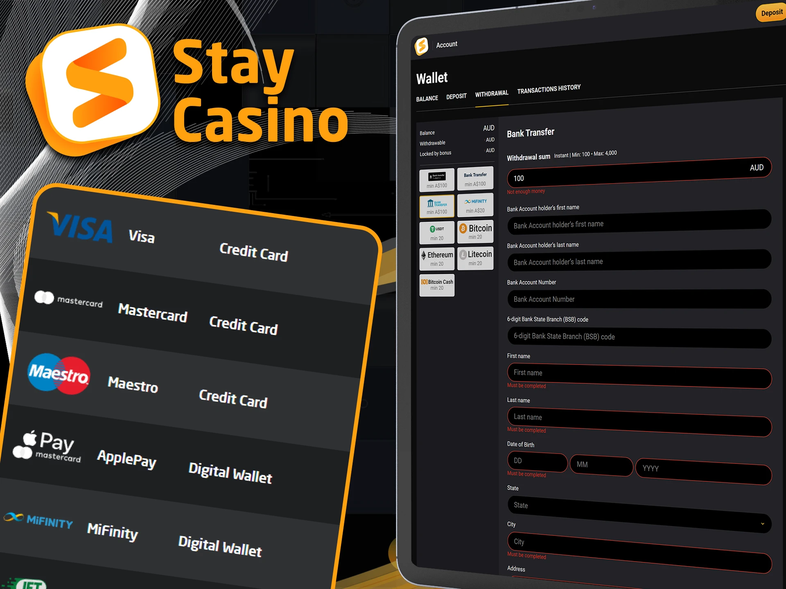
Pick a payout route like you pick a commute. You want something you understand, not something that sounds cool in a comment thread. And once you pick it, stick with it for a while.
Suppose you hop between methods every week because you’re testing. That constant switching can create mismatches and extra checks, especially when profile data and payment details don’t line up perfectly. Stability is underrated.
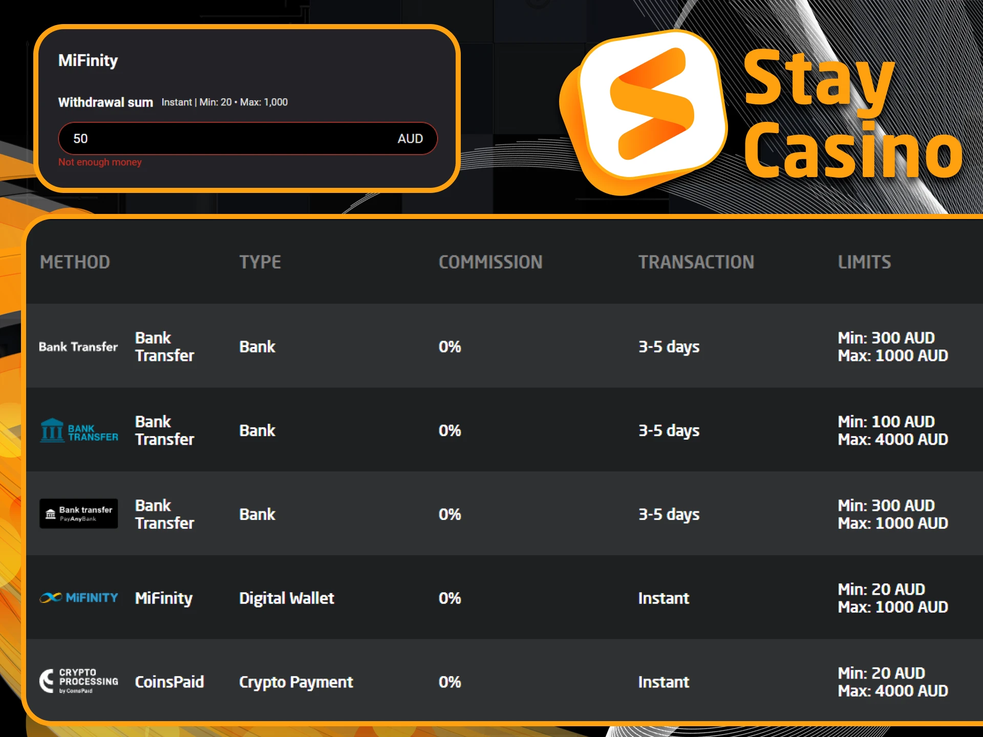
Here’s a quick table people use when deciding what to try first. It’s a practical snapshot, not a promise of exact speeds.
Route Type | Review Feel | Delivery Pace | Best For | Common Snag |
|---|---|---|---|---|
Bank Card Or Bank-Linked | Smooth when details match | Depends on bank windows | Regular smaller requests | Weekend cutoffs, bank rules |
E-Wallet Service | Few steps on mobile | Steady, often quick | Convenience and repeat use | Wallet limits, login security |
Digital Coin Transfer | Can be quick after approval | Confirmation-based | Control and flexibility | Wrong network or address |
Bank Transfer | More formality | Business-day pace | Planned larger payouts | Cutoff times, extra checks |
After you pick a route, test it with a small request first. You are not proving anything. You are learning your own account’s rhythm.
Cards And Bank-Linked Options
Suppose you want the simplest setup. You choose a bank-linked option, confirm your name matches, and keep it consistent.
But bank timing can be picky. Request earlier, and avoid submitting right at the edge of a cutoff window. If a request lands after a cutoff, it can roll to the next processing cycle.
Wallet Services For Fast Handling
You are out, you want to check your status quickly, and you like fewer form fields. Wallet services can feel smoother on a phone.
But protect the wallet itself. Use a strong password. Turn on app locks. And don’t log in on a shared device. A compromised wallet is a bigger problem than a slow transfer.
Digital Coins And Confirmation Reality
Suppose you like control and you don’t mind checking confirmations. Digital coin routes can be fast after approval, then it’s all about network load.
Double-check the network selection every single time. And don’t paste an address while distracted. Sit down, confirm carefully, then submit.
Verification Checks And Profile Consistency
You submit a payout request and you suddenly see a prompt asking for additional checks. It happens. New device, new method, unusual amount, or inconsistent profile details can all trigger it.
Suppose you recently updated your email and your phone number on the same day. That looks like a takeover pattern to automated systems, even if you did it for innocent reasons. So if you plan to update details, do it on a quiet day, then wait before requesting money out.
Now the painful truth: unclear uploads slow everything down. Dark photos, cut edges, glare, blurry text. If the platform asks for documents, send clean images. Bright light. Flat surface. No fingers covering corners.
And keep your details aligned. Name format matters. Payment details matter. If you have “John A. Smith” in one place and “John Smith” in another, some systems treat it as mismatch. Fix it early, not after a payout is pending.
Say you got rejected once. Don’t spam resubmits. Ask support what was wrong, then submit one corrected set. One clean attempt beats a pile of failed attempts.
Also, don’t share accounts. “My friend will just test a slot” sounds harmless. It can create multiple logins from different places, and that can trigger safety holds right when you want speed.
Bonus Funds, Wagering, And Eligible Balance
You win, you open the cashier, and the eligible amount looks smaller than the balance. That gap causes most arguments. And most of the time it is rule-related.
Suppose you opted into a promo earlier and played a mix of games. Promo rules can lock part of the funds until requirements are met. Some games may contribute less. Some may not count. That is why your balance can look healthy while the cashout-eligible amount stays limited.
The cleanest habit is separating sessions. One session for promos. One session for cash play. When you keep them apart, you don’t spend your night decoding “locked” versus “eligible.”
A Simple Two-Session Routine
You run a promo session when you have time to finish requirements. Then you stop. Later, you run a cash-only session if you want a clean withdrawal path.
Suppose you try to mix everything in one sitting. You will end up annoyed, staring at numbers, refreshing screens. Separate sessions keep it simple.
Troubleshooting Delays And Failed Requests
When a request looks stuck, the worst move is frantic editing. Canceling, resubmitting, switching methods, switching devices - that chaos can add checks.
Start with a checklist. Connection stable? Request visible in history? Method details correct? Limits respected? Then stop touching the request.
Suppose your status is pending longer than you expected. Give it a reasonable window, then contact support once with the timestamp, amount, method type, and a screenshot. If you can’t send a screenshot, describe the status text exactly. That helps.
If the request fails instantly, look for limits first. Minimum amount. Maximum per day. Method availability. Then try later. If it fails twice with the same message, stop and contact support. Repeating the same failure does not teach the system to behave.
Travel can also play a role. New IP, new Wi-Fi, new location. If you just landed in another city, log in, browse, play a short normal session, then request later. That sequence looks normal.
Pending Status Playbook
You submit, you see pending, and you want to “do something.” Here’s the something: write down the time, then wait.
Suppose you keep refreshing every few seconds. You will only build stress. Check once later. If it still hasn’t moved, send one support message with facts.
Instant Fail Error Playbook
You hit submit and the request bounces right back. Don’t argue with the screen.
Close the cashier, reopen it, check your limit thresholds, and verify your method details. If it still fails, screenshot the error text and send it to support. That screenshot is gold. It ends guesswork.
When To Message Support
If a request is missing from your history after you confirmed, contact support. If a request is pending far beyond what you expected, contact support. If you see a new verification prompt and you don’t understand what they want, contact support.
But keep it clean. One ticket. One thread. And use facts, not feelings.
Responsible Habits That Keep Cashouts Smooth
The fastest cashout habit is not a trick. It is routine. Same device, same method, stable connection, and no last-minute profile edits.
Suppose you play late at night when you’re tired. That is when you make mistakes like pasting the wrong address or clicking the wrong route. So you create a rule: money actions happen when you are awake, not when you are half-asleep.
Set a personal budget. Use a session timer. Take breaks. If you feel you are chasing, stop the session. The calmest players get the cleanest experience, because they don’t sabotage themselves mid-process.
And remember: the platform can be available in Australia for eligible users, with use expected to follow applicable rules and the terms in your account. If anything about your own eligibility is unclear, pause before you deposit or request a payout.